



The Power of Mindfulness and Meditation for Mental Well-Being
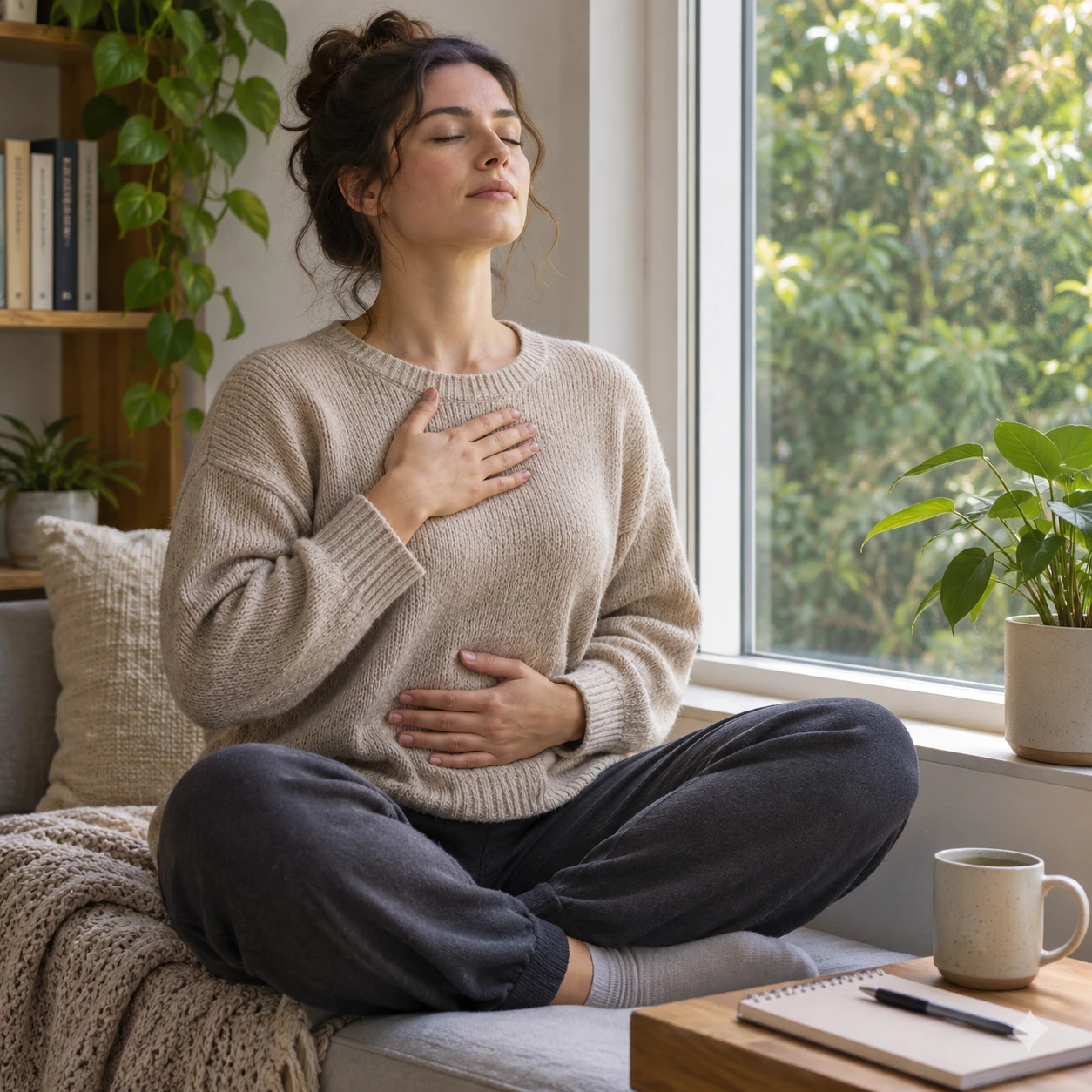
Mindfulness and meditation can offer practical ways to pause, notice what is happening, and respond with greater care. They are not quick fixes or substitutes for mental health treatment, and people experience them differently. Still, a brief, steady practice may help you relate to stress, thoughts, and emotions with more awareness.
What mindfulness and meditation mean
Mindfulness is paying attention to present-moment experience with openness, while meditation is one way to practice that attention. They are closely related, but they are not identical: mindfulness can happen during ordinary activities, and meditation usually involves setting aside time for a specific exercise.
During mindfulness, you might notice the feeling of your feet on the floor, the sound of traffic, or a wave of frustration without immediately judging or pushing it away. Present-moment awareness does not mean you must feel calm. It means recognizing what is here, including discomfort, and choosing where to place your attention next.
Meditation includes a range of practices. In a focused-attention meditation, for example, you rest attention on the breath and gently return when the mind wanders. Other forms may use body awareness, sounds, or compassion as an anchor. Think of meditation as a practice session; mindfulness is a quality of attention you can bring into daily life.
How these practices may support mental well-being
Mindfulness and meditation may support mental well-being by helping people notice stress responses, redirect attention, and become more aware of emotions. Research on these practices suggests possible benefits for some people, but effects vary, and they should not be treated as guaranteed outcomes or cures.
For stress management, pausing to feel a breath or name a tension response can create a small gap between a trigger and your next action. That pause may make it easier to choose a measured response, such as asking for clarification rather than reacting in anger. It does not remove the source of stress, and it cannot make every situation manageable on its own.
Mindfulness may also help you notice when attention has drifted. In meditation, returning to a chosen anchor is the practice, not evidence that you have failed. Over time, some people find this repeated redirection useful in everyday tasks, though meditation is not a guaranteed way to improve concentration.
Noticing emotions early can support emotional regulation. You might recognize that anxiety is building through a tight jaw or quick breathing, then decide whether to take a break, talk to someone, or continue with a task. Pairing awareness with self-compassion matters: observe the feeling without criticizing yourself for having it. For a research-informed overview of mindfulness programs, see the National Center for Complementary and Integrative Health.
Mindfulness in everyday life
You can practice mindfulness in everyday life by giving one ordinary activity your full attention for a few moments. These short pauses build present-moment awareness without requiring a cushion, quiet room, or long meditation session.
Choose a familiar routine and focus on one sense at a time. While washing a cup, notice the water’s temperature, the movement of your hands, and the sound of the tap. During a walk, feel each foot meet the ground or listen for nearby and distant sounds. If you eat a snack, notice its texture and taste before reaching for the next bite.
Try this simple three-part reset: notice what is happening, identify one physical sensation, then choose your next action. For instance, before opening a crowded inbox, you might recognize “I feel tense,” take one comfortable breath, and open the first message. The aim is not to force calm; it is to meet the moment with a little more clarity.
Keep the practice modest. One mindful minute attached to a routine you already have is easier to repeat than a complicated plan that depends on a perfect schedule. If attention moves away, gently return to the activity. That return is part of mindfulness.
A beginner-friendly meditation routine
To begin meditating, set aside five minutes, choose a comfortable posture, and use the breath or body as an anchor. A short, repeatable routine is often more useful for beginners than aiming for long sessions right away.
- Choose a workable time and place. Sit in a chair or on a cushion somewhere you can remain reasonably undisturbed. Keep your eyes open or closed, whichever feels more comfortable.
- Set a gentle timer. Start with three to five minutes. A timer lets you practice without checking the clock.
- Notice breathing or bodily sensations. Feel the air moving, the rise and fall of your chest, or contact between your feet and the floor. Let breathing stay natural; there is no need to control it.
- Recognize distraction. When thoughts, sounds, or plans take over, note that attention has wandered. Then return to your chosen anchor without scolding yourself.
- Close deliberately. Notice how you feel, without grading the session, and decide when you will practice again.
Breathing exercises do not suit everyone in the same way. If focusing on breath feels uncomfortable, shift attention to sounds, the sensation of your hands, or the feeling of your feet on the ground. Stop if the practice sharply increases distress, and choose a grounding activity or seek guidance instead.
Consistency matters more than intensity, but there is no universal schedule. You could try five minutes on three days this week, then adjust based on how it feels and what fits your life. Mindfulness-based therapy is a different option: it combines mindfulness practices with structured psychological support, often with guidance from a trained professional. It is not the same as trying a meditation app on your own.
Common challenges and how to approach them
Distraction, restlessness, and missed sessions are common parts of learning mindfulness and meditation. They do not mean you are doing it wrong; they are signals to adjust the practice or lower the pressure.
- “My mind keeps wandering.” Minds naturally produce thoughts. Notice the drift, then return to the anchor. Each return is a repetition of the skill.
- “I feel restless.” Try a shorter session, sit in a chair, keep your eyes open, or practice while walking slowly. Stillness is not a requirement.
- “I missed several days.” Resume with a small session rather than trying to make up for lost time. Linking practice to an existing routine, such as after breakfast, may help.
- “I expected to feel relaxed.” Meditation can bring uncomfortable thoughts or feelings into focus. A session is not successful only when it feels peaceful; notice whether the method is useful and tolerable for you.
A common mistake is treating a long session as proof of commitment. Choosing more time for that reason can make practice hard to sustain. Another is judging yourself for distraction, which adds self-criticism to the experience. Start smaller, choose an anchor that feels safe, and revise the approach if it consistently leaves you more distressed.
When mindfulness is not enough
Mindfulness is not enough when distress is persistent, severe, or interfering with daily life; professional mental health support may be needed. Meditation can be one supportive tool, but it does not replace therapy, medical care, or urgent help.
Consider speaking with a licensed mental health professional if anxiety, low mood, trauma-related symptoms, or difficulty functioning continues or worsens. A clinician can help assess what is happening and discuss options, which may include psychotherapy, medication, practical support, or mindfulness-based therapy. You do not have to wait until things feel unbearable before asking for help.
Some people find inward attention uncomfortable, particularly when they are coping with trauma, panic, or intense distress. In that case, stop the meditation and orient to the room: name visible objects, feel your feet on the floor, or contact someone you trust. A therapist can help you decide whether, when, and how mindfulness practices might fit your care.
If you may harm yourself or someone else, or cannot stay safe, contact emergency services or a crisis service in your area now. The right next step is the one that supports your safety, even if it does not involve meditation.
Frequently asked questions
Is mindfulness the same as meditation?
No. Mindfulness is a way of paying attention to present experience; meditation is a practice that can help develop that attention. You can practice mindfulness while walking, eating, or listening, without doing formal meditation.
How long should a beginner meditate?
Try three to five minutes and adjust from there. A short session you can repeat is a sensible starting point, but there is no required duration. Comfort and consistency matter more than reaching a particular number of minutes.
What if my mind keeps wandering?
Notice that your attention has wandered and gently bring it back to your chosen anchor. Wandering is normal, and returning is the central skill being practiced, not a sign of failure.
Can mindfulness replace therapy?
No. Mindfulness may complement mental health care, but it should not replace therapy or medical treatment when those are needed. If distress persists, worsens, or affects daily functioning, consult a qualified professional.